
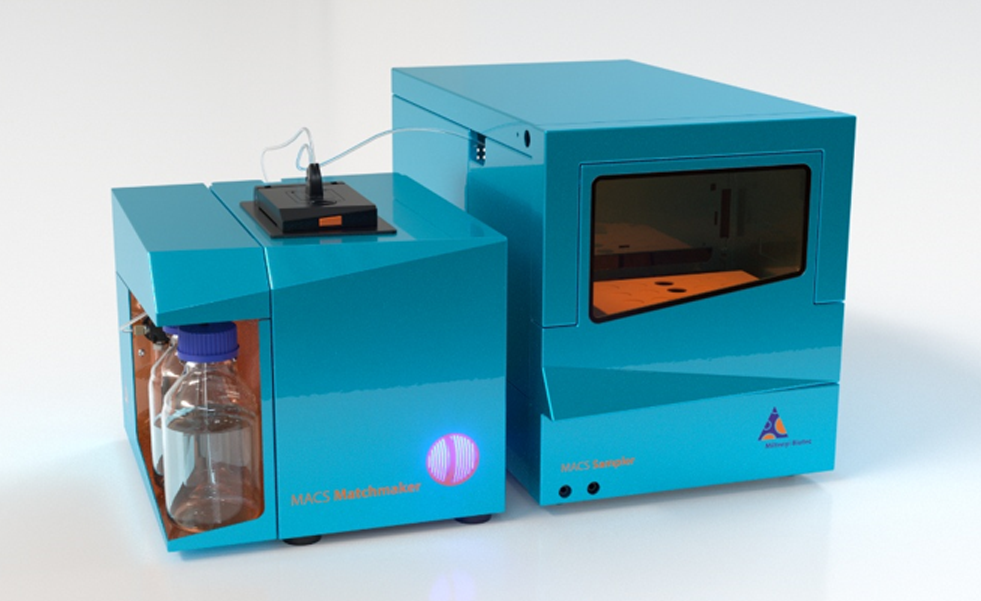
Will Shepheard – Secondment at Miltenyi Biotec
During the secondment, I used the MACS® Matchmaker to measure antibody responses in plasma samples from patients with ALK-positive anaplastic large cell lymphoma (ALK+ ALCL).
Beyond Research: Marketing and Legal Skills for Doctoral Students
Today, we expect much more from doctoral students than just good research. They must also be skilled in marketing and understand the legal aspects.
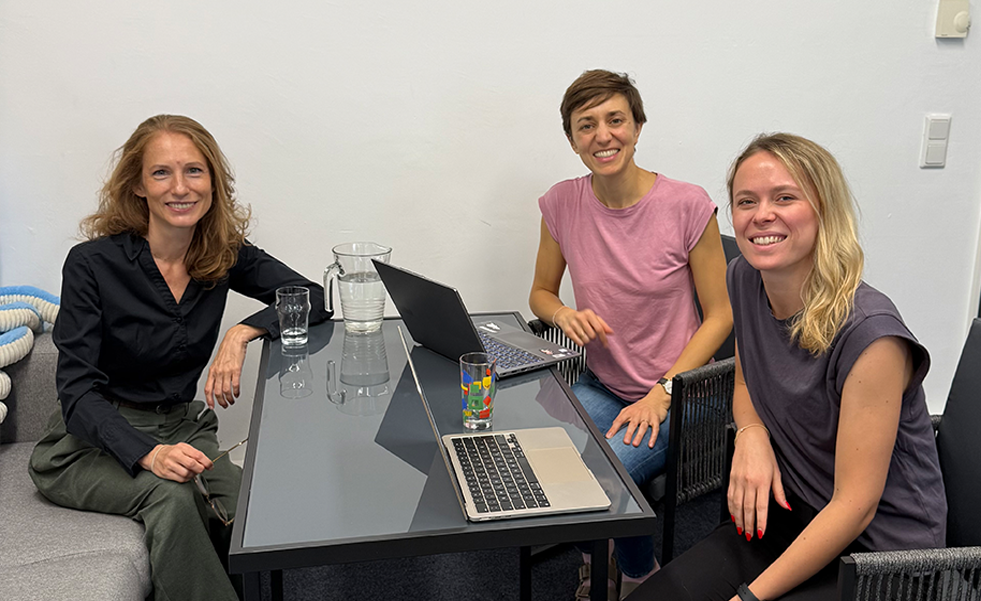
Katarina Misura´s secondment at Open Science
After months of generating data in the lab, my secondment at Open Science – Lebenswissenschaften im Dialog in Vienna was a refreshing change of perspective, and a reminder of why science communication matters.
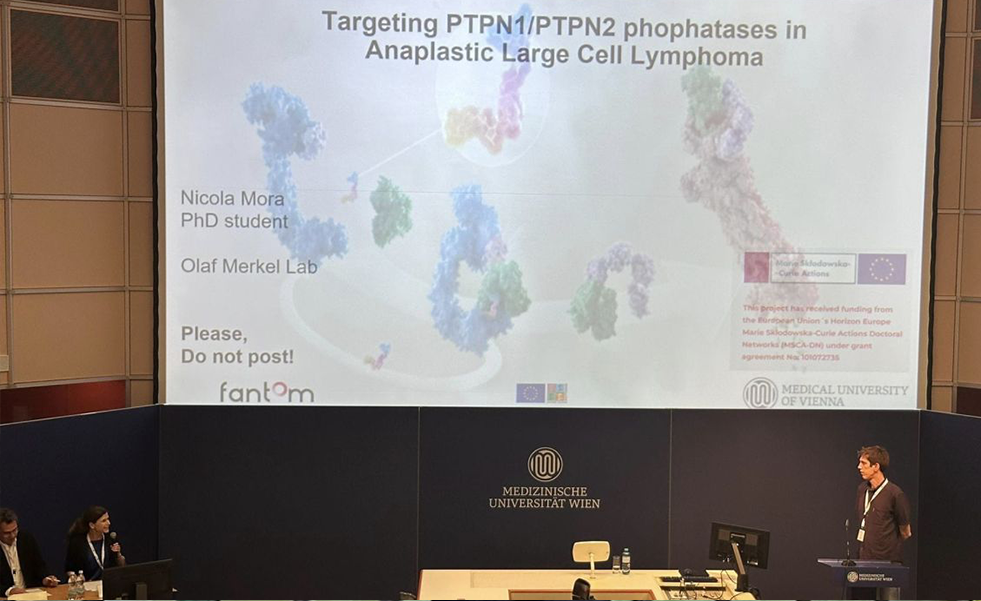
Public Engagement – Nicola Mora
During May I attended two engaging conferences where I had the opportunity to present the latest update of my research on Anaplastic Large Cell Lymphoma.
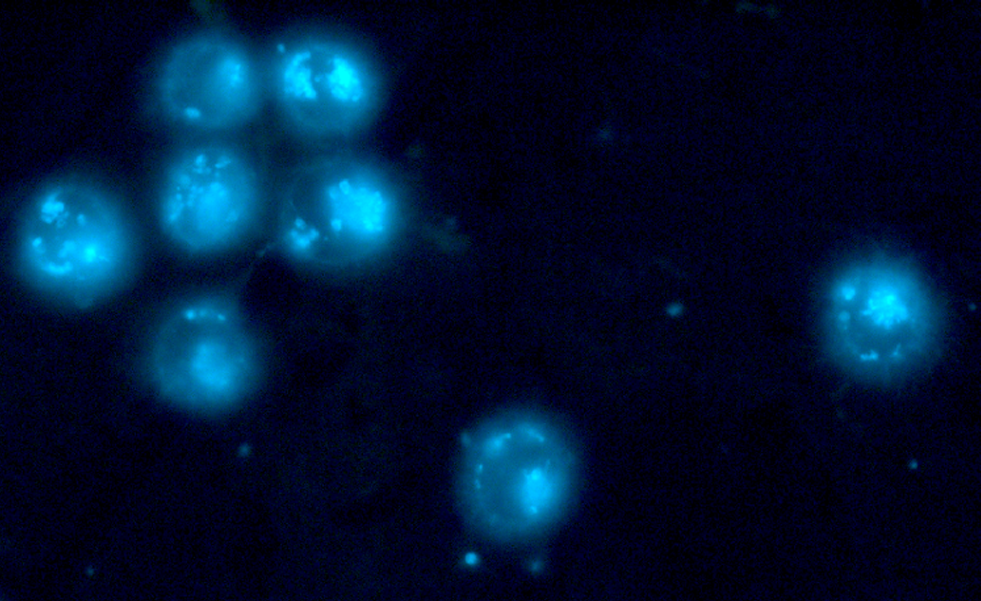
Rebekka Johanna Sabine Salzmann – Secondment at the Medical University of Vienna (MUW).
During my time in the Merkel lab in Vienna, I investigated lipid metabolism in anaplastic lymphoma kinase (ALK)-positive anaplastic large cell lymphoma (ALCL).
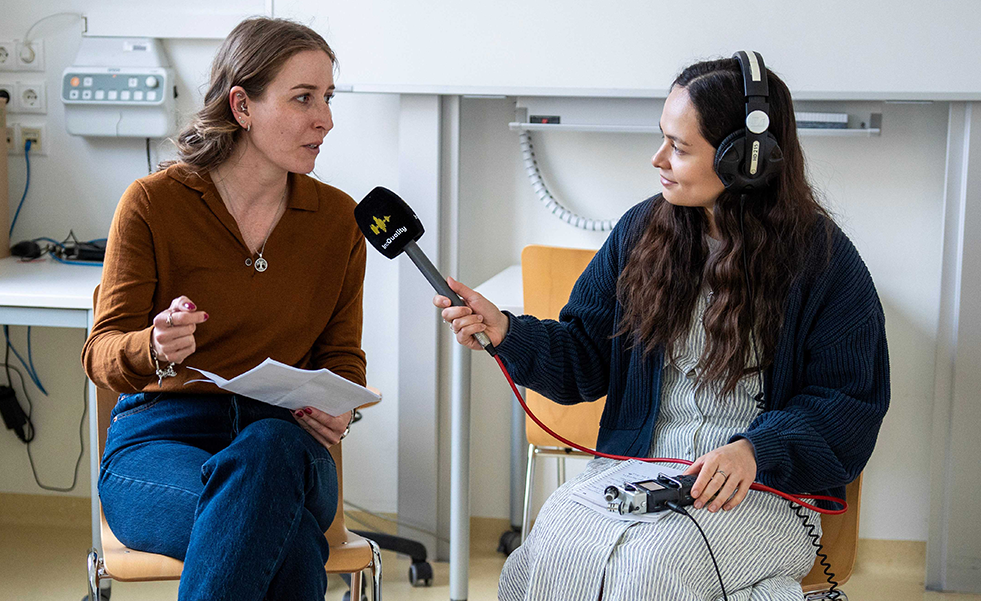
Rebekka Johanna Sabine Salzmann (UNIPD) about her research in podcast series
My research focuses on why patients with the same type of cancer can respond very differently to the same treatment. One key reason appears to be the body’s own defense system