
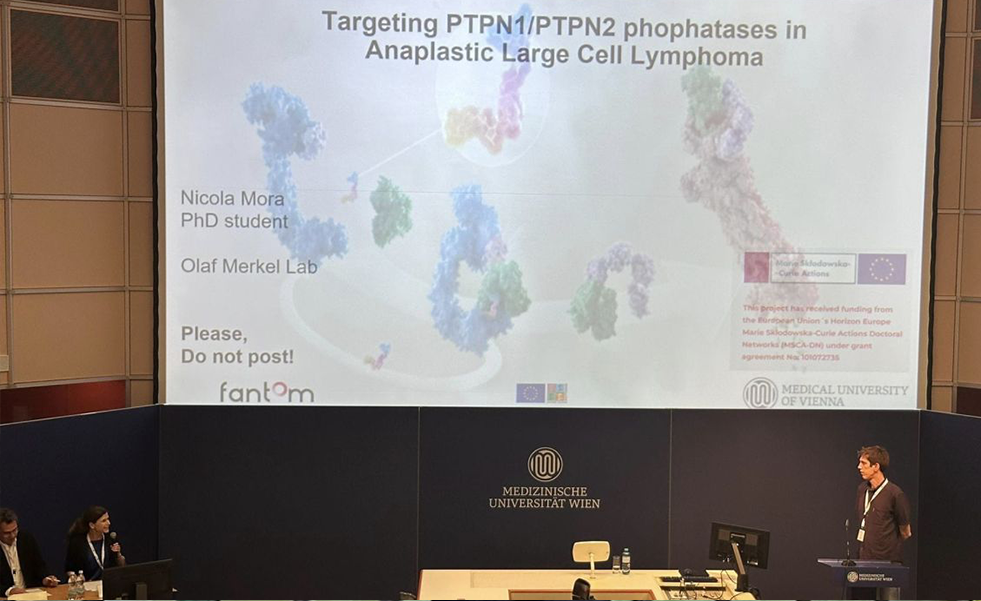
Public Engagement – Nicola Mora
During May I attended two engaging conferences where I had the opportunity to present the latest update of my research on Anaplastic Large Cell Lymphoma.
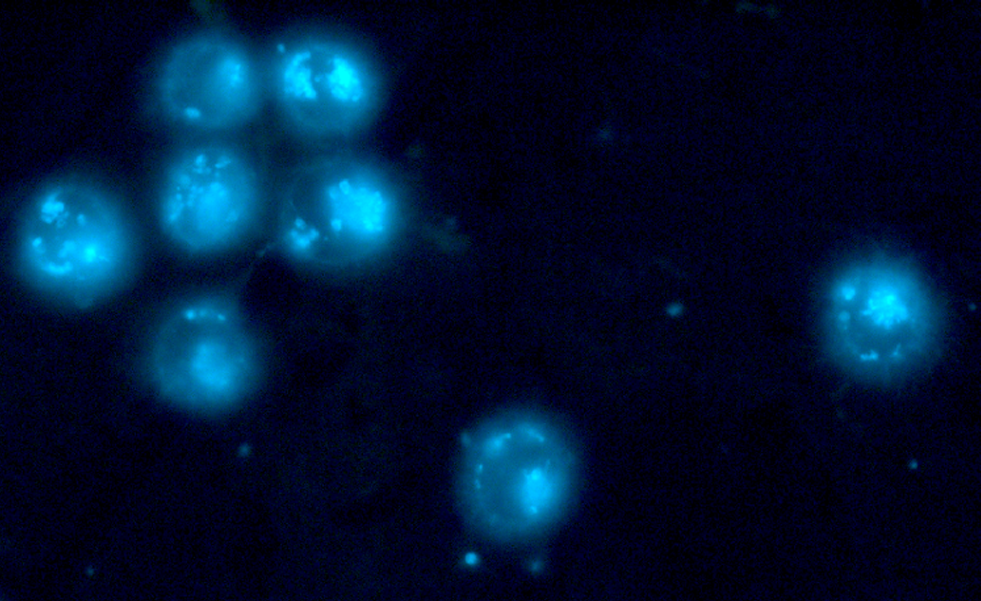
Rebekka Johanna Sabine Salzmann – Secondment at the Medical University of Vienna (MUW).
During my time in the Merkel lab in Vienna, I investigated lipid metabolism in anaplastic lymphoma kinase (ALK)-positive anaplastic large cell lymphoma (ALCL).
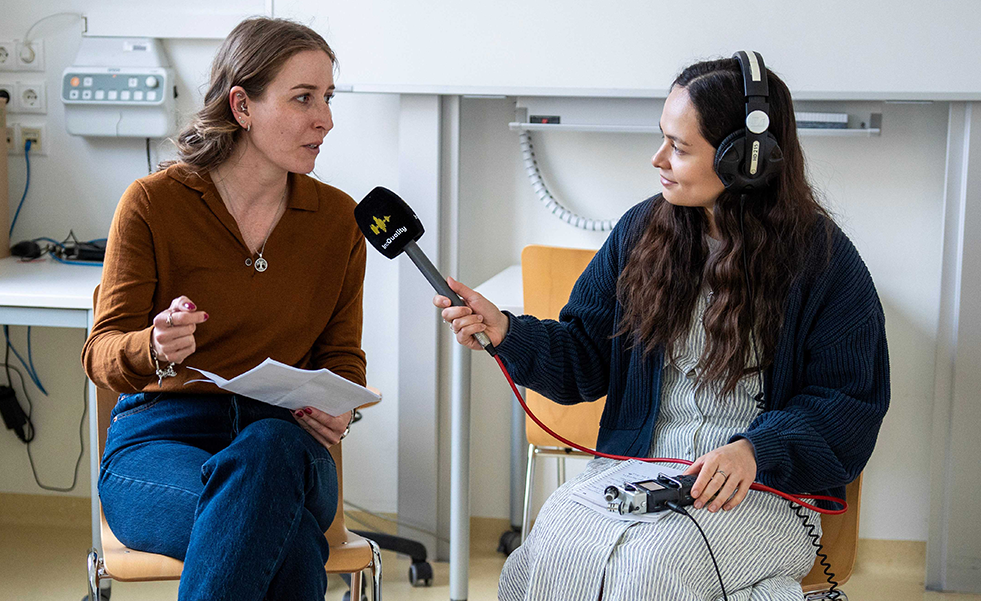
Rebekka Johanna Sabine Salzmann (UNIPD) about her research in podcast series
My research focuses on why patients with the same type of cancer can respond very differently to the same treatment. One key reason appears to be the body’s own defense system
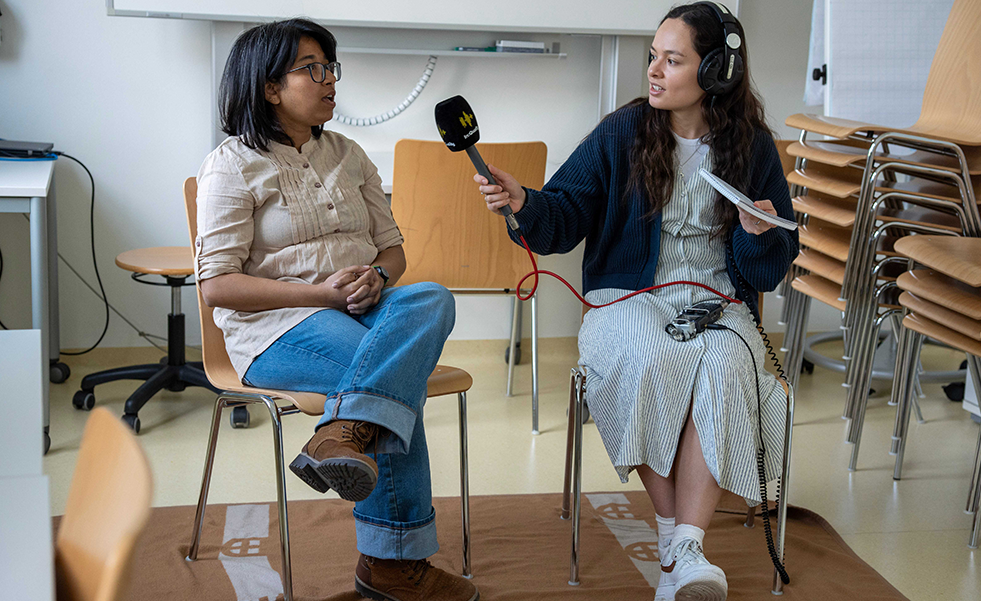
Aiindrila Dhara (MUNI) about her research in podcast series
My PhD research focuses on understanding how cancer cells evolve during treatment, particularly how they become resistant to targeted therapies over time. I study a type of childhood cancer called ALK-positive Anaplastic Large Cell Lymphoma
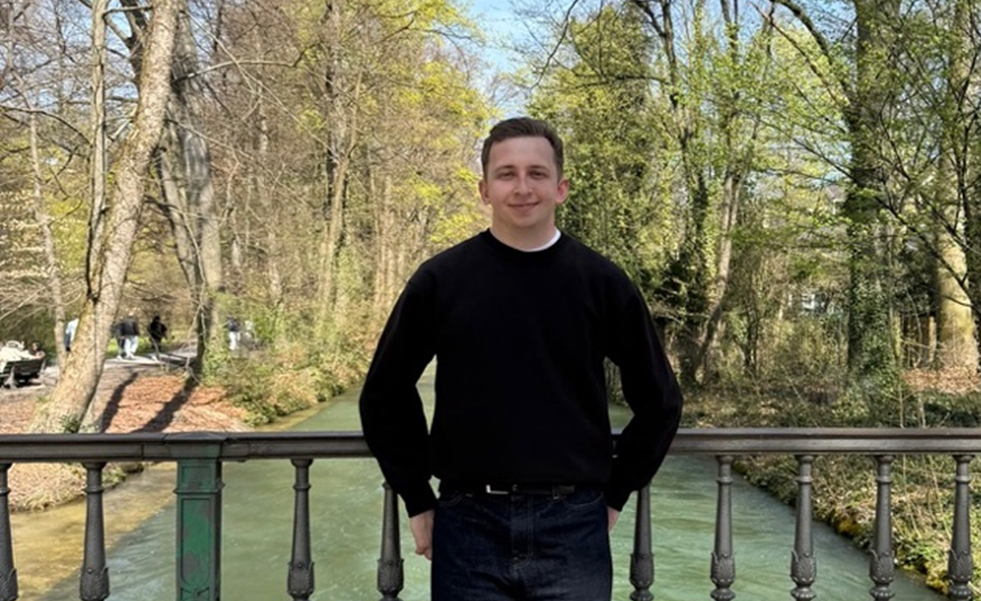
Will Shepheard – Secondment at the Technical University of Munich (TUM)
Working in Professor Lena Illert’s laboratory and closely alongside Magdalena, I worked with clinical ALK+ ALCL patient samples using the PhenoCycler-Fusion 2.0 system (Akoya Biosciences).
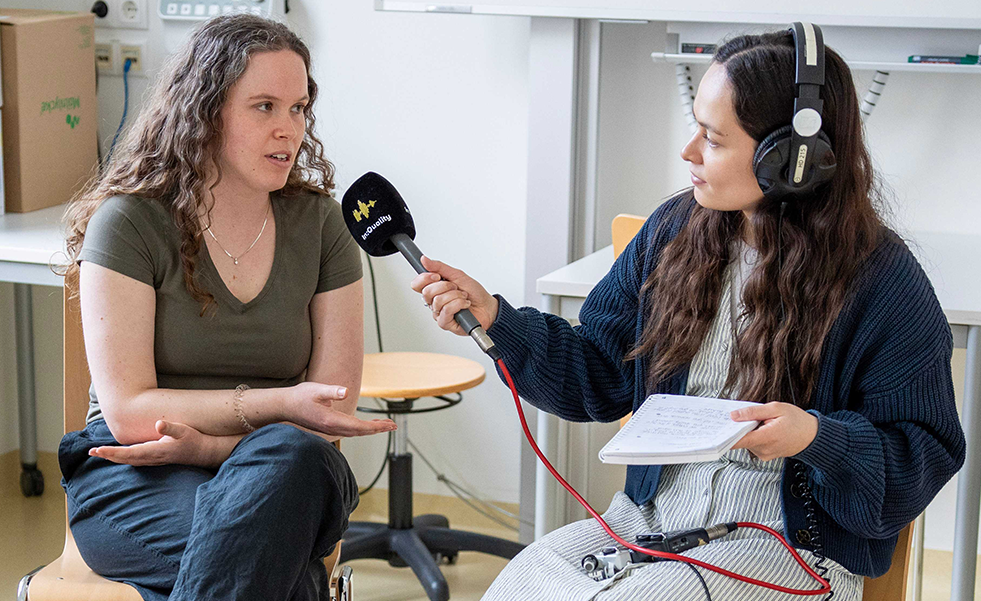
Carla Vázquez Amos (UCAM – Fantom´s UKRI associate) – PODcast session
My research focuses on understanding how and why people get cancer. Specifically, I study two subtypes of a rare immune cell cancer called Anaplastic Large Cell Lymphoma (ALCL). In this disease, T cells that are usually protecting the body