Will Shepheard – Secondment at the Technical University of Munich (TUM)
- Post by: fantom
- 15 June 2026
- Comments off
In April 2026, I had the opportunity to undertake a two-week secondment at the Technical University of Munich (TUM) through the FANTOM network. This secondment provided valuable training in spatial proteomics technologies and offered an excellent opportunity to collaborate with my FANTOM colleague Magdalena Kršić, whose PhD project focuses on the tumor microenvironment and spatial profiling approaches.
Working in Professor Lena Illert’s laboratory and closely alongside Magdalena, I worked with clinical ALK+ ALCL patient samples using the PhenoCycler-Fusion 2.0 system (Akoya Biosciences). Applying a multiplex staining protocol with a panel of more than 45 markers, I was able to comprehensively characterize the cellular composition of the tumor microenvironment and investigate the spatial relationships between malignant and immune cell populations. This approach provided detailed insight into the organization and interaction of cells within the tissue context and supported the identification of features potentially associated with relapse and patient outcomes.
Magdalena’s expertise and guidance throughout the project were invaluable, allowing me to develop practical skills in the multiplex staining protocol, operation of the PhenoCycler-Fusion 2.0 system, image acquisition, and the downstream bioinformatics pipeline used to process and analyze high-dimensional spatial proteomics data. Our discussions also provided an opportunity to exchange ideas and perspectives from our respective PhD projects.
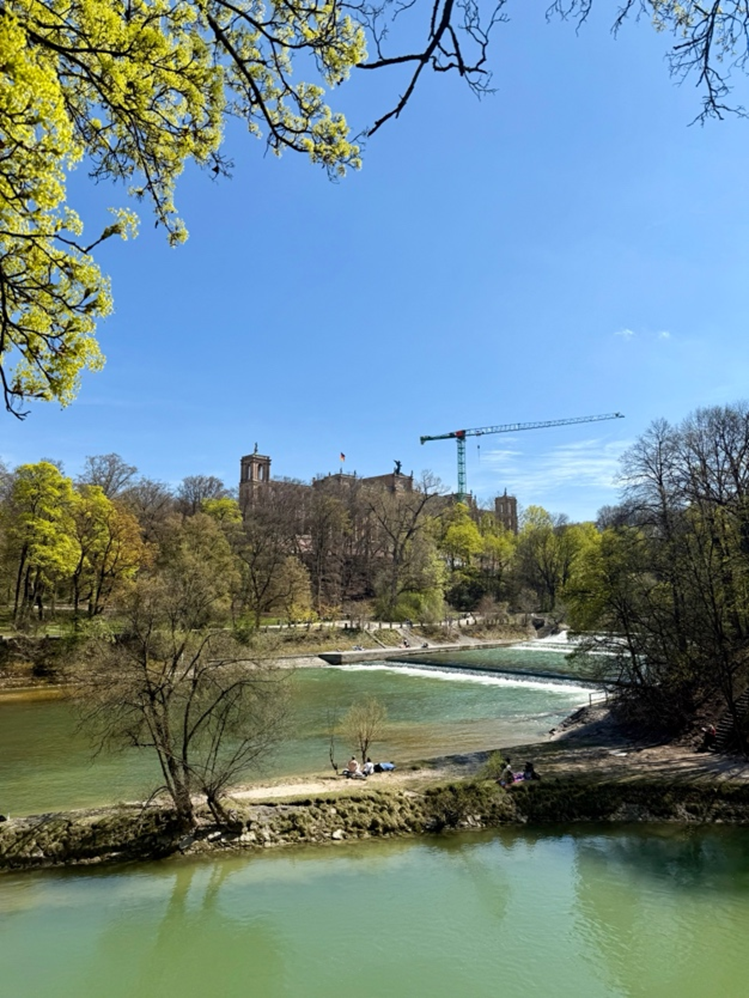
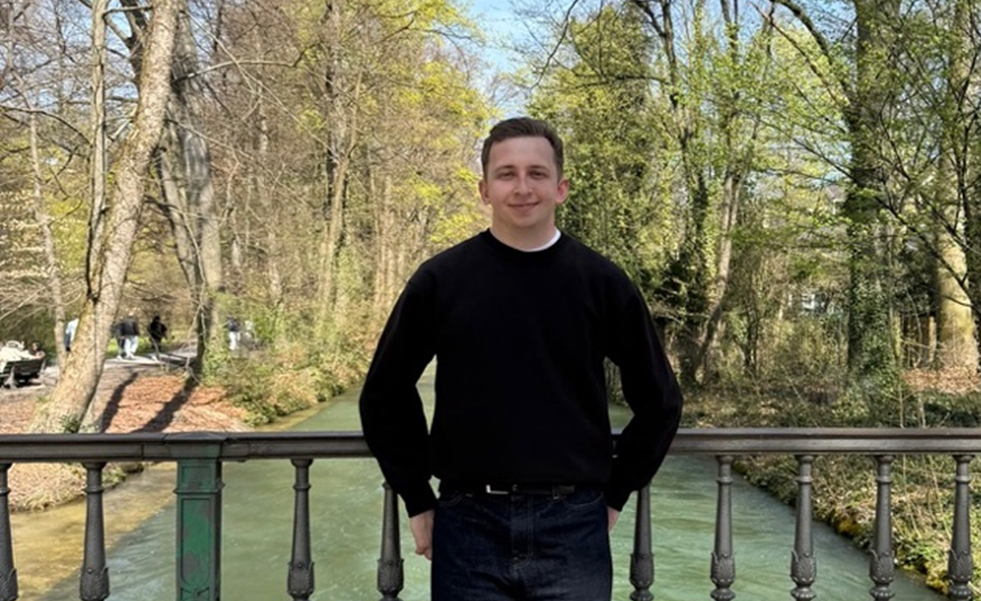
Beyond the laboratory, the secondment also gave me the opportunity to explore Munich and experience life in a new city. During my stay, I visited the English Garden, explored the historic city centre, and spent time at the BMW Museum. These activities allowed me to learn more about Munich while enjoying its unique atmosphere, making the secondment a rewarding experience both scientifically and personally.
Overall, this secondment significantly enhanced my technical expertise and broadened my scientific perspective, while generating valuable data contributing to the identification of prognostic markers for relapse in ALK+ ALCL patients. In addition, the stay allowed me to explore Munich, which further enhanced the overall experience.