Magdalena Kršić

During my studies, I was especially drawn to biomarker discovery, focusing my Master’s thesis on investigating gene polymorphisms to improve cardiovascular drug safety.

Read More

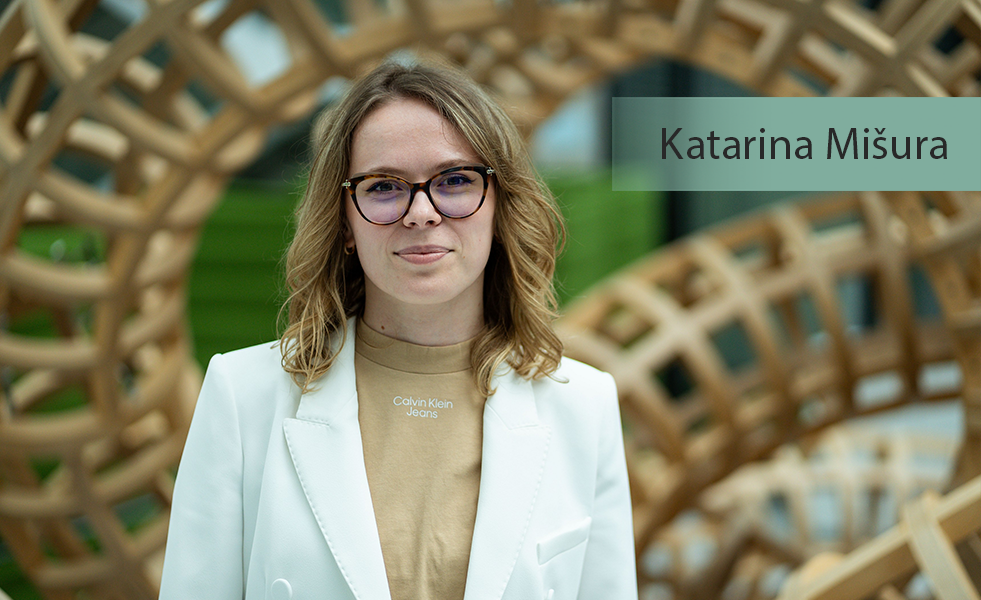
Katarina Mišura

To really understand how diseases form, I realised I needed to study the human body in depth, at cellular and molecular level.

Read More

Will Shepheard

During my master’s thesis, I investigated the WIP1/PPM1D phosphatase oncoprotein as a therapeutic target for potentiating p53-dependent therapies.

Read More

Stefania Massari

I’m particularly fascinated by how metabolic changes contribute to the transformation of normal T cells into malignant ones in ALCL. My current project dives into the role of STAT proteins

Read More

Nicola Mora

I started my science journey a few years ago with a Bachelor Degree in Biological Sciences at Eastern Piedmont University

Read More

Gerardo Enrique Abarca Ríos

My project focuses on uncovering and validating non-mutational mechanisms of resistance to ALK inhibitors in ALK-positive ALCL. While targeted therapies like ALK inhibitors have significantly improved patient outcomes, treatment resistance remains a major obstacle to long-term success.

Read More

Katarina Misura

Turner lab has established a patient-derived xenograft (PDX) model of ALK-positive anaplastic large cell lymphoma (ALCL), which gave me access to fresh tumor samples.

Read More

Aiindrilla Dhara

Today, I’m a proud Marie Skłodowska-Curie Fellow under the EU Horizon Europe program—a fellowship that supports my work and enables international collaboration.

Read More

Rebekka Salzmann

My name is Rebekka Salzmann, and I’m from Germany. During my Bachelor’s in Biology at the University of Hamburg, I became fascinated by the complex mechanisms that govern the small components of our bodies.

Read More

Julia Montague at GalSeq, Milan

My doctoral research focuses on drug-tolerant persister cells (DTPs) and drug resistance mechanisms in ALK+ anaplastic large cell lymphoma (ALCL) and other ALK+ malignancies, such as non-small cell lung cancer (NSCLC).

Read More